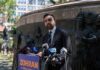


Los Angeles Mayor Karen Bass ordered an independent review of two deadly Los Angeles Police Department encounters caught on camera, signaling new scrutiny of police tactics after graphic footage surfaced.
Story Snapshot
- Bass announced an executive directive for an outside evaluation of deaths and severe injuries tied to police actions.
- Los Angeles Police Department released jail video in one case showing a handcuffed man beaten before his death.
- Police leaders say policies already stress de-escalation and proportional force, with many crisis calls ending without force.
- The debate centers on training, mental health response, and whether pre-force tactics met policy and common sense.
Bass Orders Independent Review After Graphic Videos
Mayor Karen Bass said the two fatal encounters were “incredibly difficult to watch” and directed an independent evaluation of any death or severe injury linked to officer actions. She said the review will examine policies, training, tactics, supervision, and accountability. Her move followed release of jail camera footage in one case showing a handcuffed inmate beaten before he later died, which renewed public anger and questions about custody standards. Supporters see transparency; critics fear a political process that could second-guess split-second calls.
Los Angeles police officials previously argued that they have made changes to reduce deadly force. Department guidance emphasizes de-escalation, clear warnings, and proportional force. Analysts have noted that many calls involving a person in crisis end without any force at all. Those points matter as the city weighs reform against officer safety in fast-moving, dangerous calls. The independent review will need to separate training gaps from criminal acts and policy mistakes from lawful actions.
What The Videos Show And Why Policy Is On Trial
The Los Angeles Police Department released video from inside the Van Nuys Regional Jail in one incident, drawing outrage over strikes on a restrained man who later died. The timeline and medical findings will be central to any legal review, but the public focus is on tactics inside a controlled setting. In other recent cases, the city’s civilian commission has weighed not only the moment of firing but also pre-shooting choices, including how officers approached and whether they called mental health teams.
That approach tracks a wider pattern seen after fatal force when someone appears to be in crisis. Studies place a large share of deadly encounters in a mental health context, which raises hard questions about training, staffing, and who should lead on-scene. Advocates push for more specialized teams and clearer rules. Police leaders point to the legal standard from Graham v. Connor, which asks what a reasonable officer would do in the moment, not with hindsight or perfect options.
Police Defense: De-escalation Rules Exist, But Streets Are Volatile
Police leaders in Los Angeles have defended officers in volatile crowd and street situations. They argue that when suspects attack, brandish weapons, or ignore orders, officers must act to protect the public. They cite rules that already require warnings when possible and stress less-lethal tools. They also say the majority of mental health calls end peacefully, suggesting that policy and training work when conditions allow and time is on their side.
The gap between paper policy and practice still drives the fight. In a Koreatown case, the city’s oversight body found tactics questionable even as it ruled the final shots within policy. That split outcome shows the line Bass now wants probed: did supervision, planning, or failure to summon specialists set officers up for a deadly outcome? The new order will test whether the department enforces its own playbook or only cites it after tragedies.
What Conservatives Should Watch: Safety, Accountability, And Mission Creep
Taxpayers need policing that protects families, backs officers who follow the rules, and holds anyone who breaks them to account. An honest, outside review can help rebuild trust if it sticks to facts and law. The danger comes if City Hall turns policy checks into Monday-morning quarterbacking that chills policing. That would invite more crime, more chaos on the streets, and even more risk for rank-and-file officers and the public they serve.
On August 27, 2026, Los Angeles Mayor Karen Bass ordered the Los Angeles Police Department (LAPD) to immediately stop issuing criminal citations to street vendors and dismissed those issued in error. #News
— GodfreyDubon (@GodfreyDubon) August 29, 2026
The next steps are clear. The city must define the review’s scope, name qualified independent experts, and publish findings on tactics, training, and discipline. The Los Angeles Police Department must cooperate and act fast on clear fixes, especially for jail custody and mental health response. Residents should demand timelines, measurable changes, and due process. Real accountability and real safety can move together. But that requires policy grounded in reality, not politics.
Sources:
nypost.com, latimes.com, mayor.lacity.gov, x.com, abc7.com