
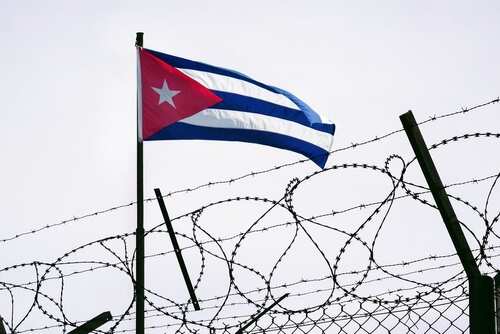
Cuba announced the release of 51 prisoners just as Trump administration pressure reaches new heights, but the communist regime’s refusal to confirm whether any political dissidents are among those freed raises serious doubts about the true nature of this supposed humanitarian gesture.
Story Snapshot
- Cuban government to release 51 prisoners amid Trump administration fuel cutoff and intensified sanctions pressure
- Havana claims releases are sovereign humanitarian decision tied to Vatican coordination and Holy Week, denying U.S. influence
- No confirmation on whether political prisoners or dissidents are included, sparking skepticism from human rights advocates
- Move follows historical pattern of over 20,000 releases since 2010, but occurs during critical U.S.-Cuba bilateral negotiations
Cuba Claims Independence Despite Trump Pressure
Cuban President Miguel Díaz-Canel announced March 13, 2026, that his government will release 51 prisoners in coming days, framing the decision as a routine humanitarian practice coordinated with the Vatican and timed for Holy Week. The communist regime insists this sovereign action stems from prisoners’ good behavior and completed sentences, not external pressure. However, the announcement comes as the Trump administration escalates economic sanctions, cutting fuel supplies to the island after Venezuela withdrew support. Díaz-Canel’s press conference confirmed ongoing bilateral talks with Washington while maintaining Cuba acts independently on prisoner matters.
Political Prisoner Status Remains Murky
The Cuban Ministry of Foreign Affairs provided no details on the identities of the 51 prisoners targeted for release, leaving human rights groups and Cuban exile communities in South Florida deeply concerned. Analyst perspectives suggest this lack of transparency follows historical patterns where the regime releases common criminals while continuing to detain political dissidents who challenge communist authority. The 2025 release of over 500 prisoners, including dissident Jose Daniel Ferrer after church negotiations, set a precedent, but Ferrer’s subsequent relocation to the United States highlighted the regime’s intolerance for domestic opposition voices.
Vatican Mediation Provides Political Cover
Cuba’s coordination with the Vatican and Pope Leo XIV gives the communist government international legitimacy for releases timed with Holy Week beginning March 29. The Holy See has historically mediated between Havana and Washington, encouraging negotiations between the Trump administration and Cuban authorities. This religious framework allows Cuba to project humanitarian values while deflecting criticism about political repression. The Ministry of Foreign Affairs explicitly cited Cuba’s “close relations” with the Vatican in its March 12 communiqué, emphasizing goodwill rather than capitulation to American demands.
Trump Administration Leverage Through Energy Sanctions
The timing reveals the effectiveness of Trump’s hardline approach toward authoritarian regimes. After Venezuela shifted away from supporting Cuba’s energy needs, the administration cut fuel supplies to the island, creating acute economic pressure that preceded this prisoner announcement. This economic leverage demonstrates how American strength can force concessions from hostile governments without military intervention. The Trump administration’s focus on freeing political prisoners aligns with conservative principles of defending human rights and individual liberty against totalitarian oppression, though verification remains essential.
Cuba’s prisoner release history shows over 9,905 pardons since 2010, with an additional 10,000 released through legal benefits in recent years. Amnesty International documented in 2000 how Cuban releases often coincide with new political detentions, creating an illusion of reform while maintaining authoritarian control. South Florida’s Cuban-American community, including representatives like Maria Salazar, continues monitoring whether genuine dissidents gain freedom or if this represents another publicity maneuver by a regime clinging to power through repression and manipulation of international goodwill.
Sources:
Cuba expert explains prisoner exchange announcement – CBS Miami
Cuba to Free 51 Prisoners, President to Speak Amid US Tension – Bloomberg
Communique of the Ministry of Foreign Affairs of the Republic of Cuba – Periodico26
Cuba prisoner pardon: Holy See diplomacy and Holy Week – Vatican News